
27 Outdoor Area Ideas for Kids 2026: Modern Backyard Play Zones, DIY Projects, and Family-Friendly Designs

How can a simple yard become a space where kids actually want to spend time outdoors in 2026? What outdoor designs balance creativity, safety, and modern style without overwhelming adults or budgets? In this article, I explore strong outdoor area ideas for kids 2026, combining strong diy, strong backyard ideas, strong fun, and strong summer concepts that work for real families, real spaces, and real life.
DIY Kids Outdoor Area Ideas 2026
I design DIY outdoor play zones by focusing on flexibility and durability, especially for strong backyard play spaces that evolve as children grow. In 2026, the emphasis is on natural textures, modular layouts, and zones that support strong play, strong outdoors, and creativity without excessive structure. I always start by defining clear play areas while keeping open circulation for movement and supervision.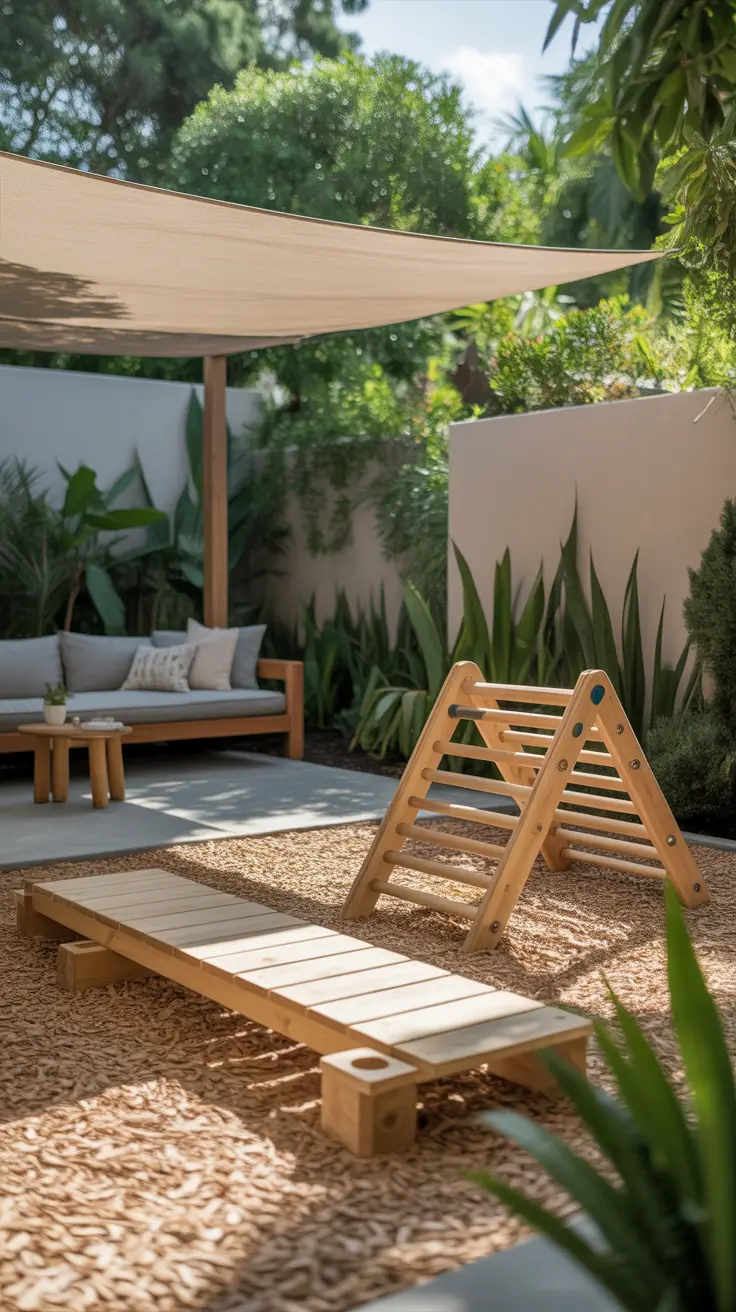
In this setup, I include weather resistant wooden platforms, removable climbing elements, and soft ground materials like rubber mulch or artificial turf. A compact strong jungle gym playground ideas frame paired with balance beams and low climbing nets makes the space functional without feeling crowded. Storage benches double as seating for strong adults, which keeps the yard practical for the whole family.
From my experience, DIY play zones succeed when they are intentionally unfinished. I often reference advice from landscape designers featured in Better Homes and Gardens, who emphasize adaptable play structures over fixed installations. This approach encourages imagination while reducing long term renovation costs.
What I would still add here is a dedicated shaded corner using a sail canopy or pergola to ensure safe play during peak strong summer hours and extend daily usability.
Backyard Play Zones For Kids
When planning strong backyard ideas for kids, I focus on daily usability rather than occasional novelty. A well designed backyard should invite spontaneous play, digging, drawing, and movement without requiring setup each time. I prioritize open layouts with layered zones that naturally guide children toward activity.
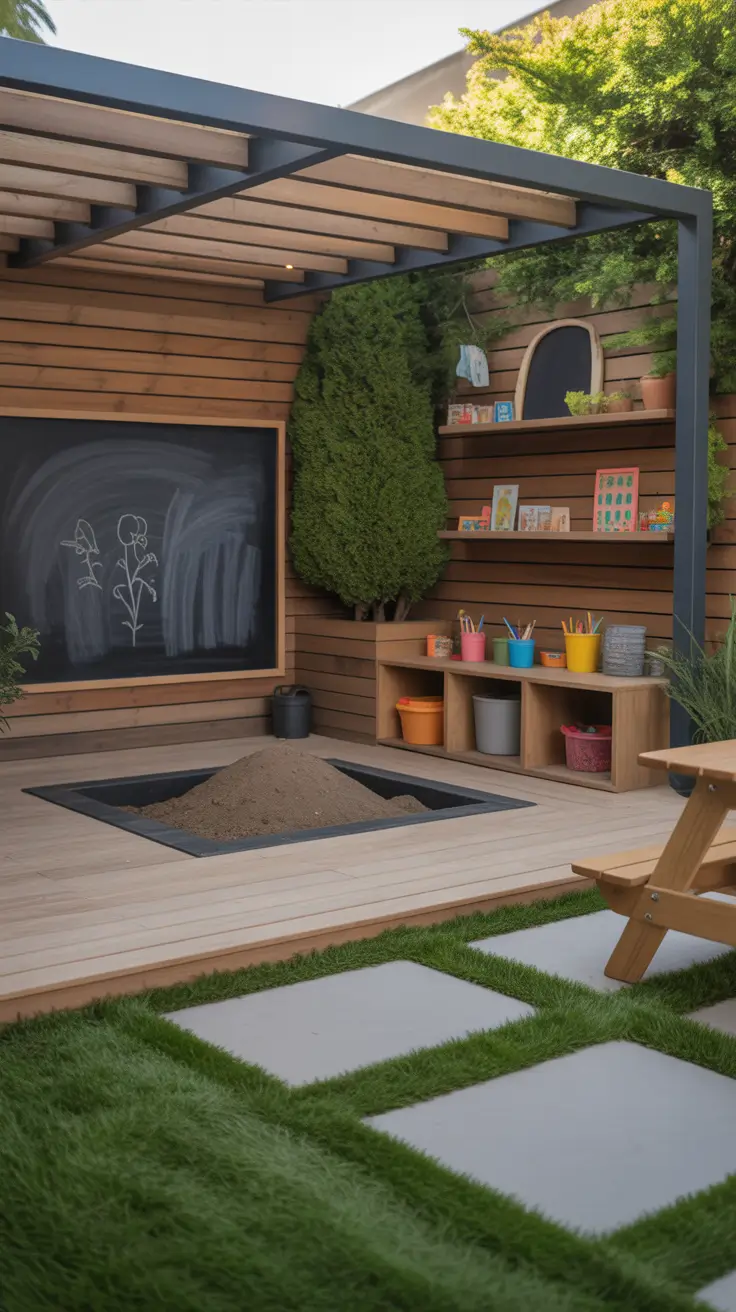
I usually incorporate low picnic tables, outdoor chalkboard walls, and moveable crates for strong art and building projects. A small digging pit framed with timber supports strong digging play, while nearby seating allows adults to stay involved. These elements keep the backyard visually organized while remaining playful.
In my own projects, I have seen how consistent access to simple outdoor tools increases independent play. Landscape architects often note that repetition builds comfort and creativity, which aligns with my professional experience designing family friendly outdoor spaces.
What’s missing here is a weatherproof lighting plan. Adding solar path lights or string lighting would allow safe play during late afternoons and early evenings.
Fun Outdoor Spaces Kids Actually Use
I design strong fun outdoor play areas by studying how children naturally move through a space. Instead of isolated equipment, I create connected environments that encourage exploration and continuous motion. In 2026, playful design leans toward organic shapes and multifunctional elements.
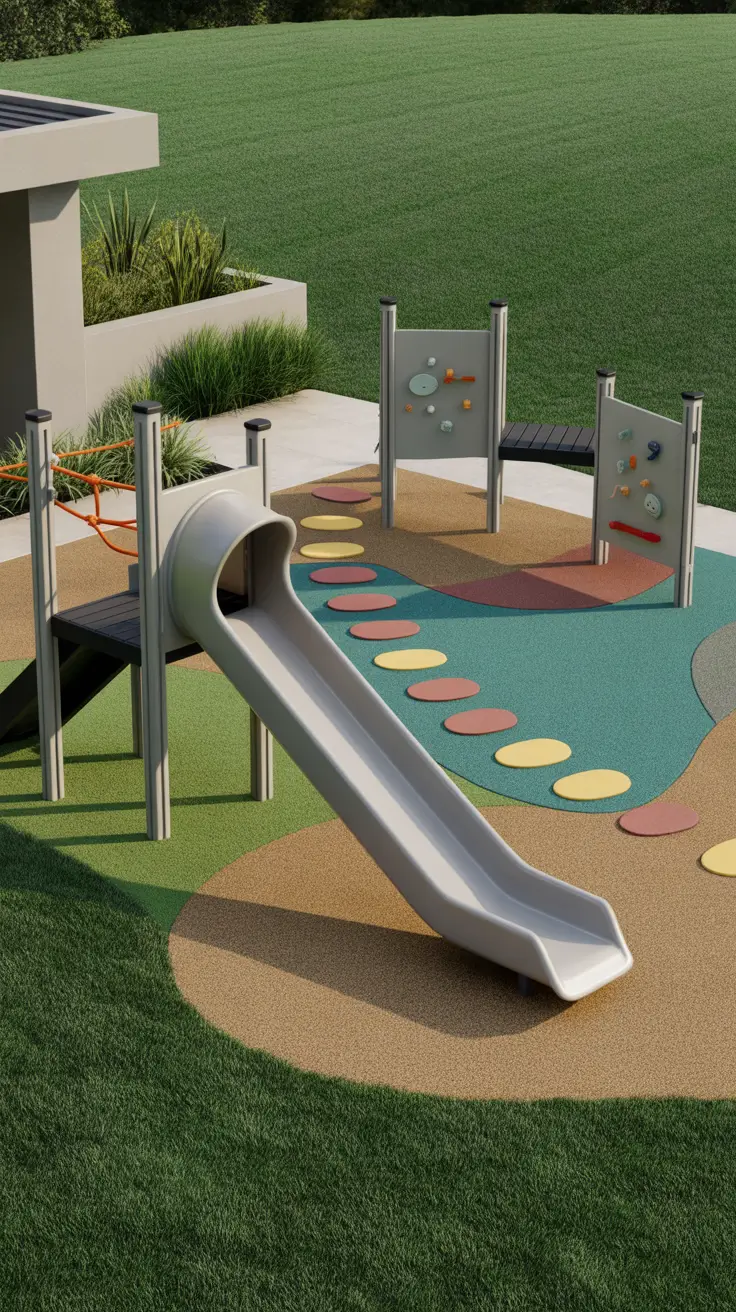
Essential items include curved slides built into small hills, stepping stones, and interactive panels with gears or textures. These features support strong playground design backyard ideas while blending into the landscape. Durable outdoor rugs help define zones and soften hard surfaces.
From personal experience, children are more engaged when play areas feel like an adventure rather than a set of instructions. Many US based playground designers recommend sensory variety to maintain long term interest, which I consistently apply in my work.
I would enhance this section by adding a rotating activity wall that can be updated seasonally to keep the space feeling new.
Patio Play Ideas For Small Areas
Patios often feel off limits for play, but I approach them as shared environments that support both kids and adults. In 2026, strong patio play designs focus on subtle integration rather than separation, keeping aesthetics intact.
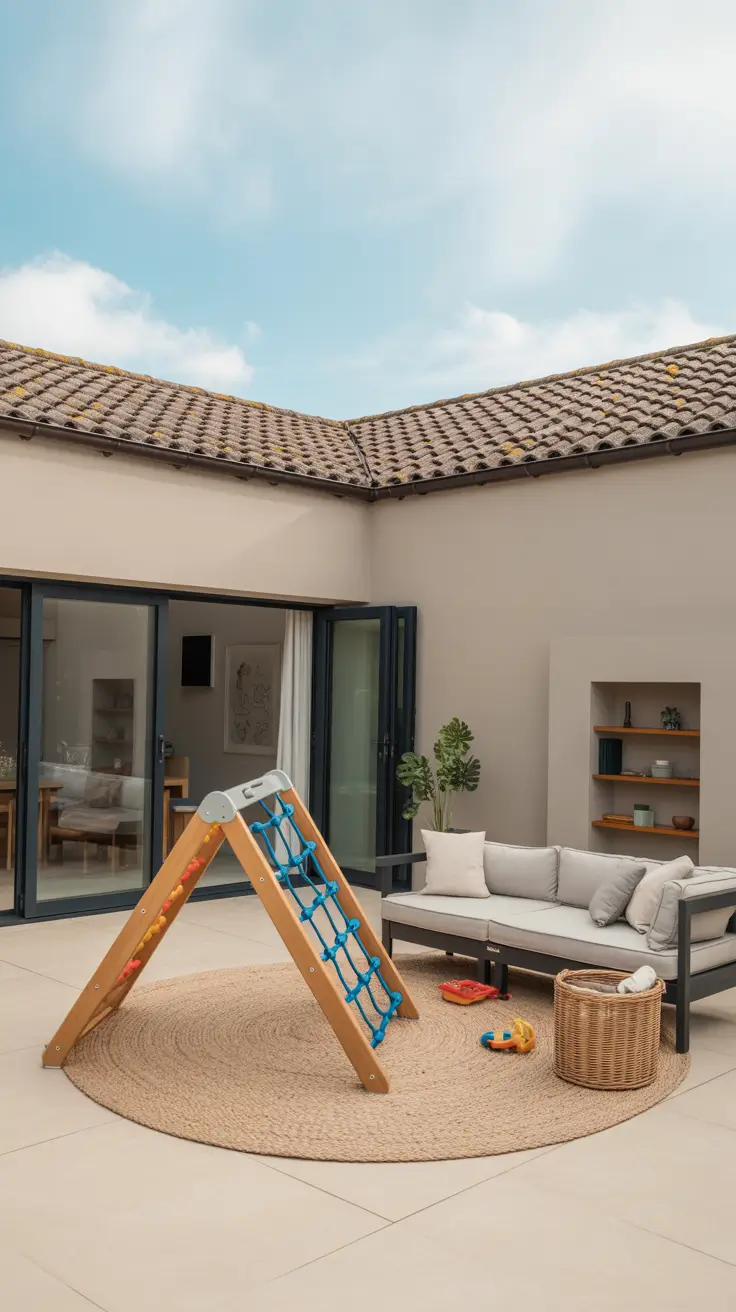
I include foldable play mats, compact climbing triangles, and outdoor poufs that double as seating. Neutral toned storage cabinets hide toys when not in use, maintaining a clean look. This balance makes the patio functional for strong adults while still inviting for kids.
In my professional opinion, patios work best when play elements echo the materials of the home. Design experts from Architectural Digest often highlight cohesion as the key to long lasting outdoor appeal.
What I would add here is a retractable privacy screen to create a sense of enclosure during play without permanent barriers.
Summer Backyard Ideas For Kids
Designing for strong summer means planning for heat, water, and long stretches of outdoor time. I create summer play areas that encourage cooling activities while maintaining safety and durability.
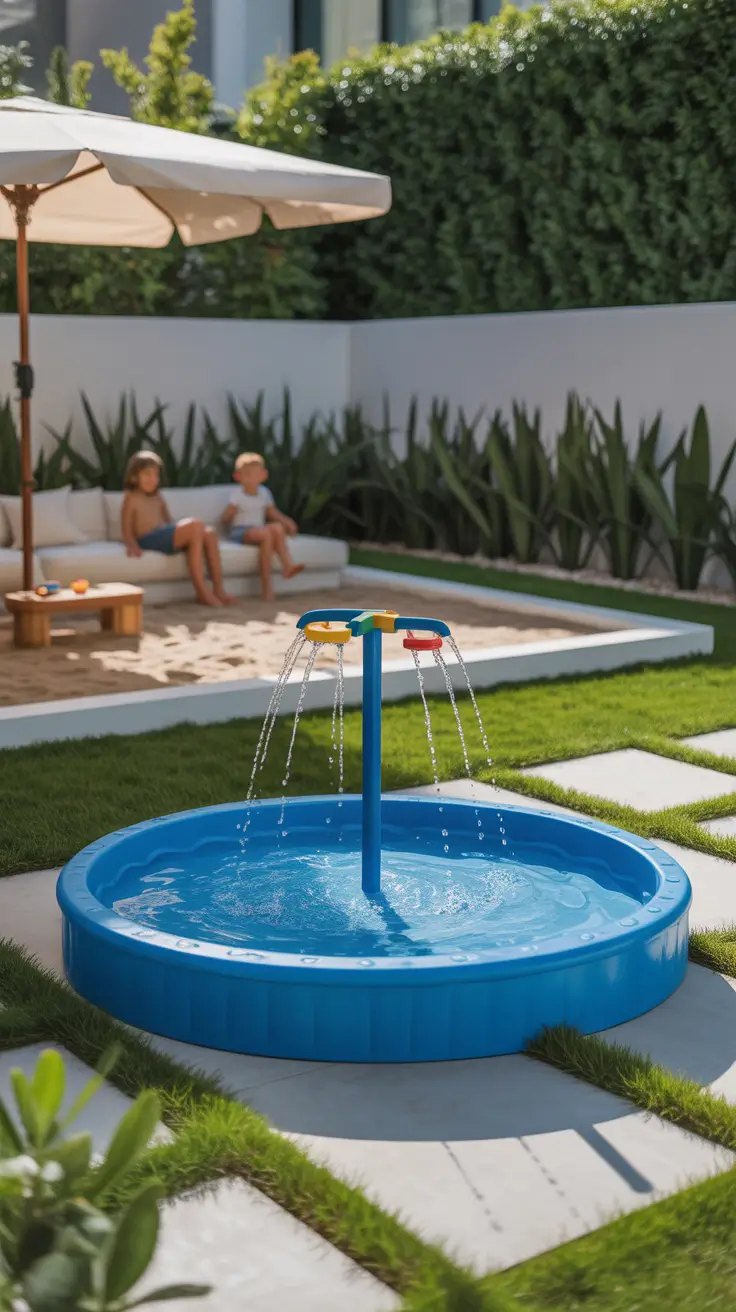
Water tables, splash pads, and shaded sand zones are essential. I often combine strong water play features with textured flooring and drainage solutions to prevent slipping. Portable loungers allow rest breaks without leaving the play area.
From my experience, water based play dramatically increases outdoor engagement during warmer months. Many child development specialists recommend sensory water activities to improve focus and motor skills, which aligns with my observations.
What’s missing is a clear drying zone with hooks and benches to manage wet towels and clothing efficiently.
Simple Play Area Layout Ideas
Small yards can still support big ideas. I design compact strong ideas small space play zones by layering vertical and horizontal elements strategically.
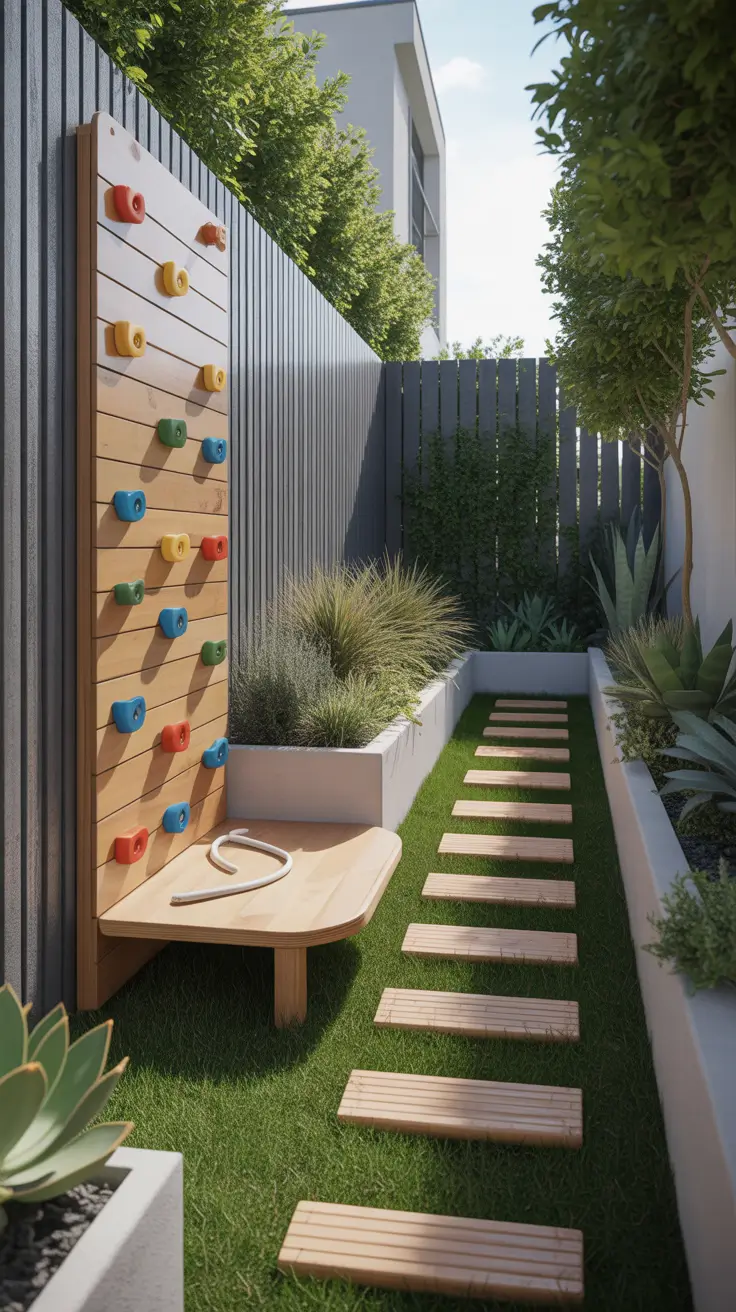
Wall mounted climbing holds, fold down activity tables, and narrow balance paths maximize movement without crowding. These solutions support strong playground design principles while staying accessible.
Professionally, I find that constraints often lead to the most creative solutions. Designers frequently emphasize vertical play in urban settings, which I fully support.
What’s missing here is a clear zoning map to help parents visualize traffic flow before installation.
Cheap DIY Backyard Play Ideas
One of my favorite challenges is designing strong cheap diy play areas that still look modern and “done.” I’ve learned that the difference between a cheap yard and a budget friendly design is structure and consistency. Even when materials are affordable, a space looks premium when it has a cohesive layout and repeatable finishes.
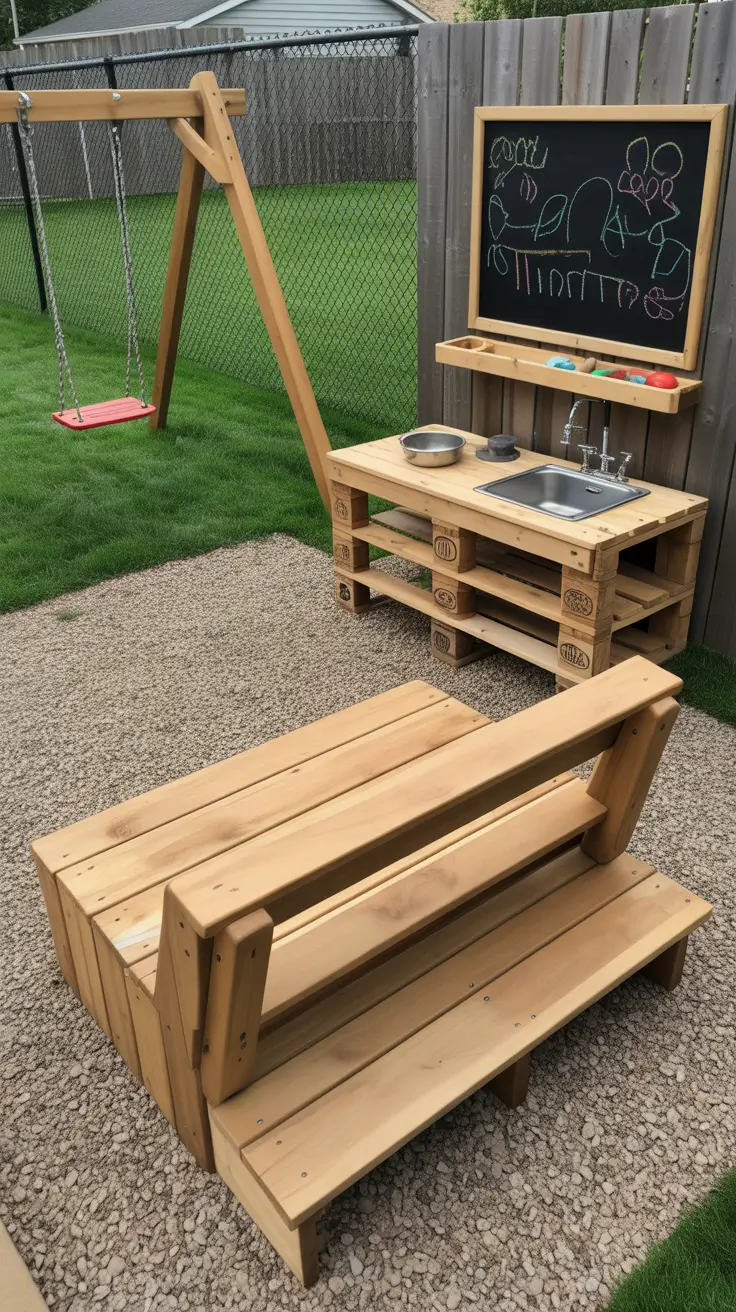
I often use pressure treated wood, gravel, and simple modular pieces like crates, tires, and repurposed pallets. A basic A frame swing set can be upgraded with stain, black hardware, and a clean gravel base. I also recommend a DIY mud kitchen, a small digging pit, and a chalkboard fence section because these give kids activities without expensive equipment.
From personal experience, parents usually overspend on big playsets when what kids really want is variety. A low cost space that supports climbing, pretending, water play, and building will get more daily use than a giant structure that only does one thing.
What’s missing here is a smart storage plan. Adding one waterproof deck box or built in bench storage instantly makes a DIY space feel more intentional.
Small Space Kids Outdoor Area Ideas
When I design for strong ideas small space, I treat the yard like a miniature park. The goal is to make the space feel bigger by using zones, vertical play, and multi purpose furniture. Even a narrow side yard can become a functional outdoor play space with the right plan.

I usually install a wall mounted activity panel, fold down table, and a slim climbing feature like rope netting or peg holds. I also recommend compact items like a small sandbox with a cover, stackable stools, and a narrow balance beam. When I keep everything lightweight and movable, the space can shift between play mode and adult entertaining.
In my experience, small spaces work best when parents stop trying to “fit everything” and instead build one great play environment. I’ve seen children stay engaged longer in small yards when the space has variety, even if the equipment is minimal.
What I would add here is a mirror or reflective panel on a fence wall. It’s a designer trick that visually expands small spaces and adds a playful element for kids.
Garden Play Ideas For Kids
A garden play space is one of the easiest ways to make outdoor play feel peaceful and visually beautiful. In 2026, I see more families wanting play areas that don’t fight the landscaping. Instead, the play zone becomes part of the garden, with natural edges, soft pathways, and sensory plants.
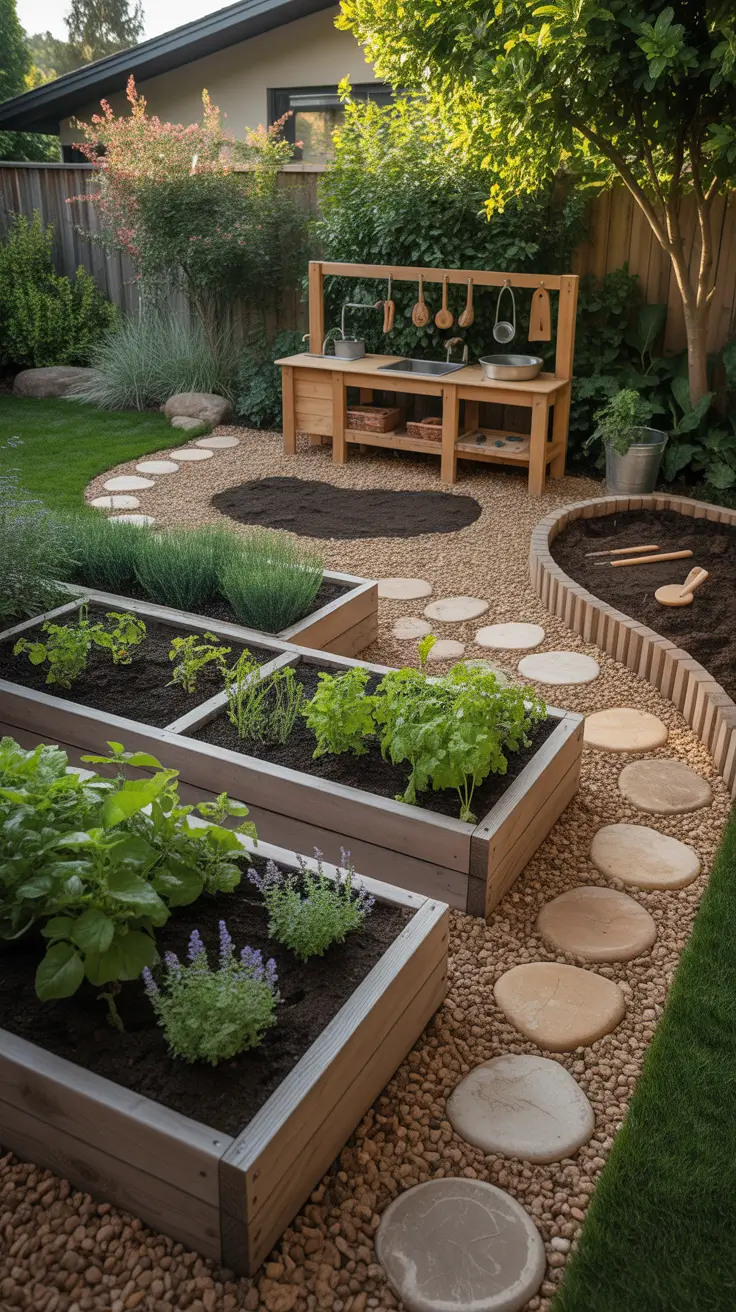
I like to use stepping stones through low ground cover, small raised beds for kids, and a dedicated digging zone tucked behind planters. I also include a mini greenhouse shelf, outdoor sink station, and a mud kitchen that looks like garden furniture. This approach supports strong ideas garden while still giving children a place to get messy.
From my own experience, kids love garden play because it feels like “real work.” It’s not pretend. They water, plant, dig, and collect leaves, which gives them a sense of responsibility and independence.
What I would add is a simple compost corner with a closed bin. It’s practical, educational, and helps kids understand how garden waste becomes soil.
Playground Design Plan Ideas
The best playground builds always start with a plan. When I create strong ideas playground design plan, I map zones based on movement, safety, and supervision. In 2026, backyard playgrounds are more modular, so planning helps families build in phases instead of spending everything at once.
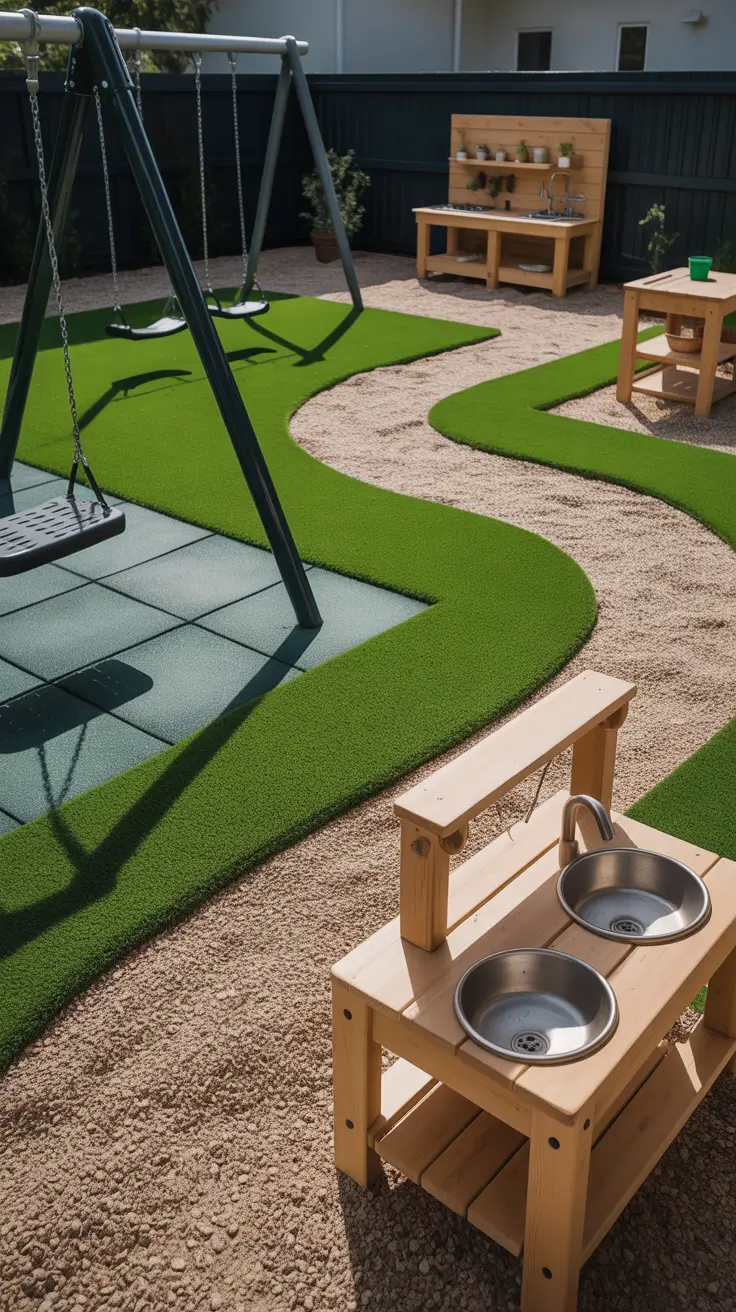
I recommend starting with a clear layout: one active zone for climbing and swinging, one sensory zone for sand or water, and one calm zone for reading or art. I also plan the surface materials carefully, using rubber mulch under climbing equipment, gravel under swings, and turf for open play. A good plan prevents common mistakes like cramped pathways or poor drainage.
In my experience, a simple design plan saves time, money, and frustration. I’ve worked with families who rushed into building and later had to tear out sections because the flow didn’t work. Planning is not about perfection, it’s about avoiding regret.
What I would add here is a checklist for materials and tools. It makes DIY construction much easier, especially for families building over weekends.
Backyard Playground Design Ideas
Every yard has different constraints, but the principles of great design stay consistent. When I build strong playground design backyard ideas, I focus on circulation, sight lines, and spacing between play features. This keeps kids safe and helps the yard feel open rather than cluttered.
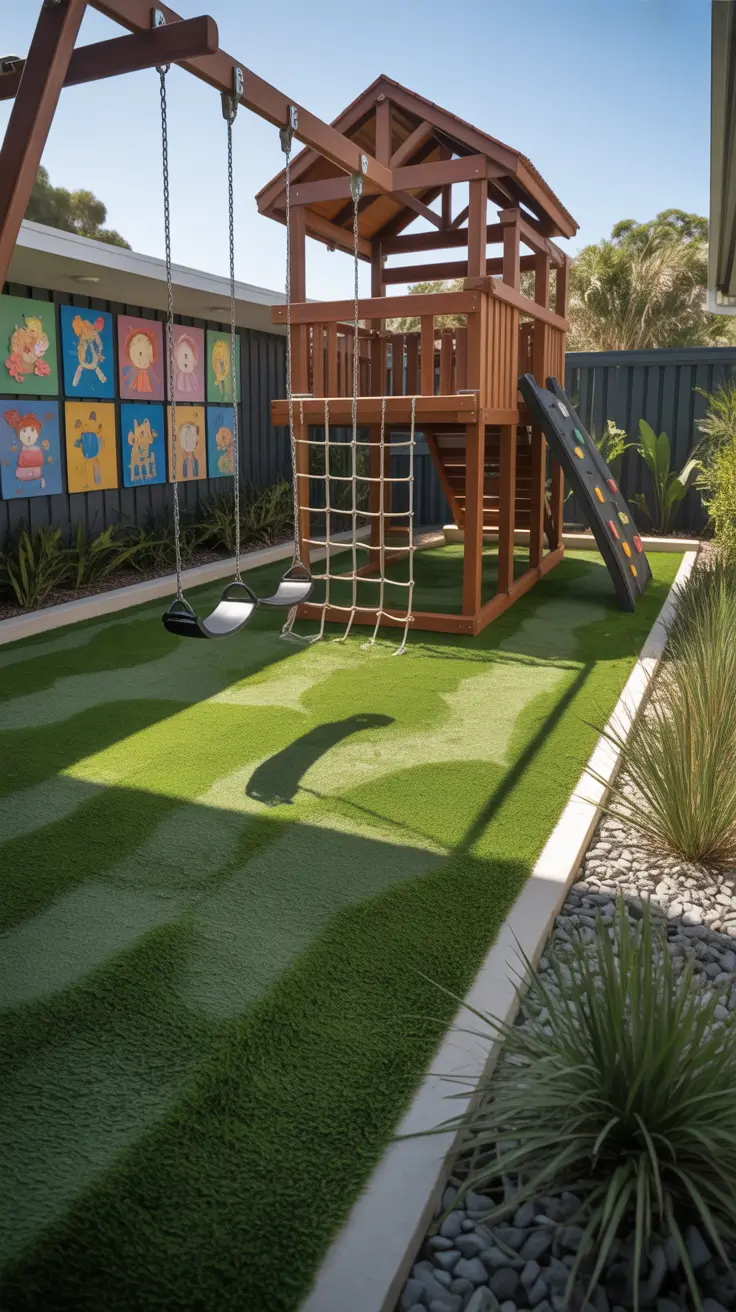
I like to anchor the layout with one major feature, such as a swing set, climbing frame, or platform structure. Then I add supporting elements like a mud kitchen, sandbox, art wall, or mini bike loop around the edges. This works well for both square yards and narrow yards because it creates flow.
In my opinion, the biggest mistake families make is placing everything against the fence. It seems logical, but it creates a dead center zone that feels empty and unused. When I place one element slightly inward, the yard becomes more dynamic and play naturally expands.
What I would still add is a simple overhead shade solution, like a pergola or sail shade, because layout alone doesn’t solve heat exposure.
Digging Area Ideas For Backyard
When I design a digging zone, my goal is to support strong digging play without letting the entire yard turn into chaos. In 2026, the best digging areas look clean, modern, and intentional, almost like a mini landscape feature rather than a random sandbox. I always define the space with borders, durable surfaces, and a clear transition between “messy” and “clean” zones.
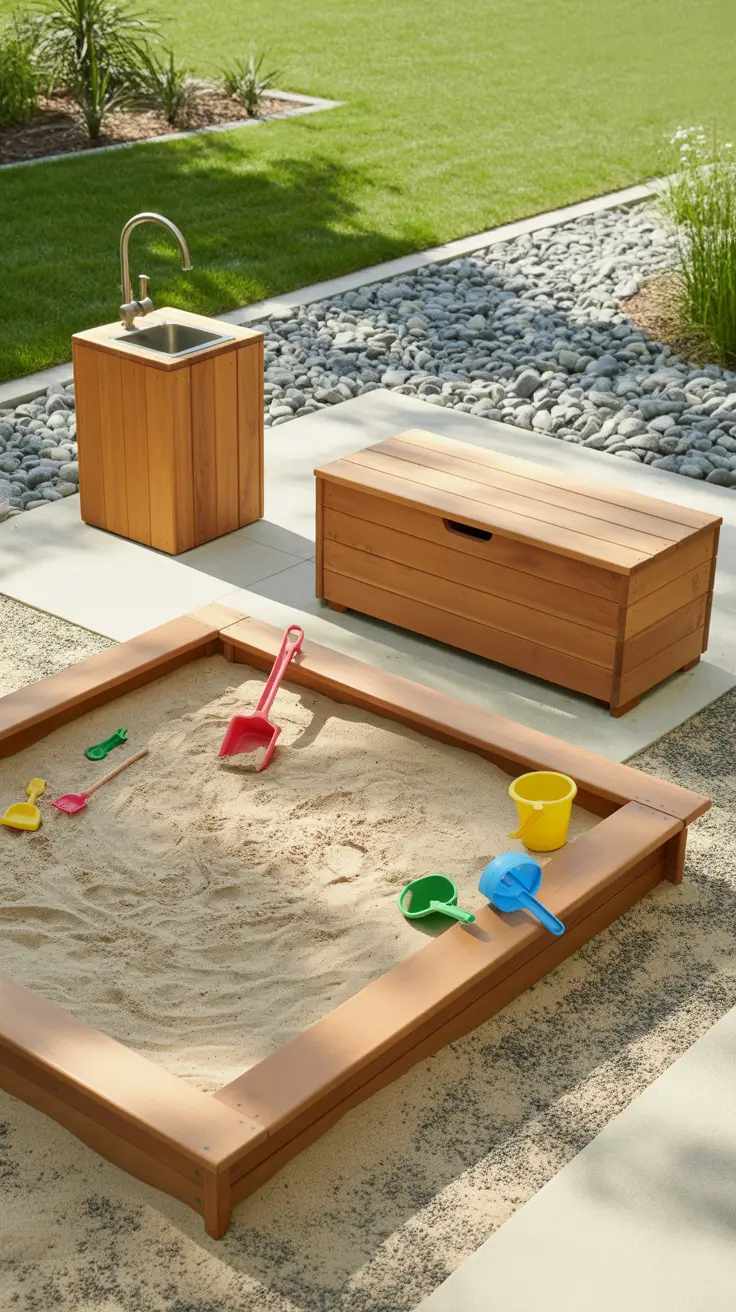
I usually build the digging area using a framed box with pressure treated wood or composite boards, then fill it with play sand, fine pea gravel, or a sand soil mix depending on the child’s age. A covered lid is essential, and I like to include a nearby rinse station, a small bench, and a storage bin for shovels, buckets, and excavator toys. Adding a low edge also gives kids a place to sit while they play.
In my experience, digging zones get used constantly when they feel like a real worksite. Kids naturally love moving materials, and this type of play is one of the most calming outdoor activities. I’ve noticed that even children who usually prefer screens will stay outside longer when they have a defined place to dig, scoop, and build.
What I would still add is a dedicated “dump spot” for sand and dirt cleanup, such as a small gravel strip or mat right outside the digging box.
Outdoor Backyard Play Ideas
The most effective strong outdoor backyard play ideas are the ones that don’t tell kids exactly what to do. In 2026, imaginative outdoor spaces are moving away from single purpose equipment and toward flexible zones that support storytelling, pretending, building, and role play. I like to design these areas to feel like small worlds rather than a playground.
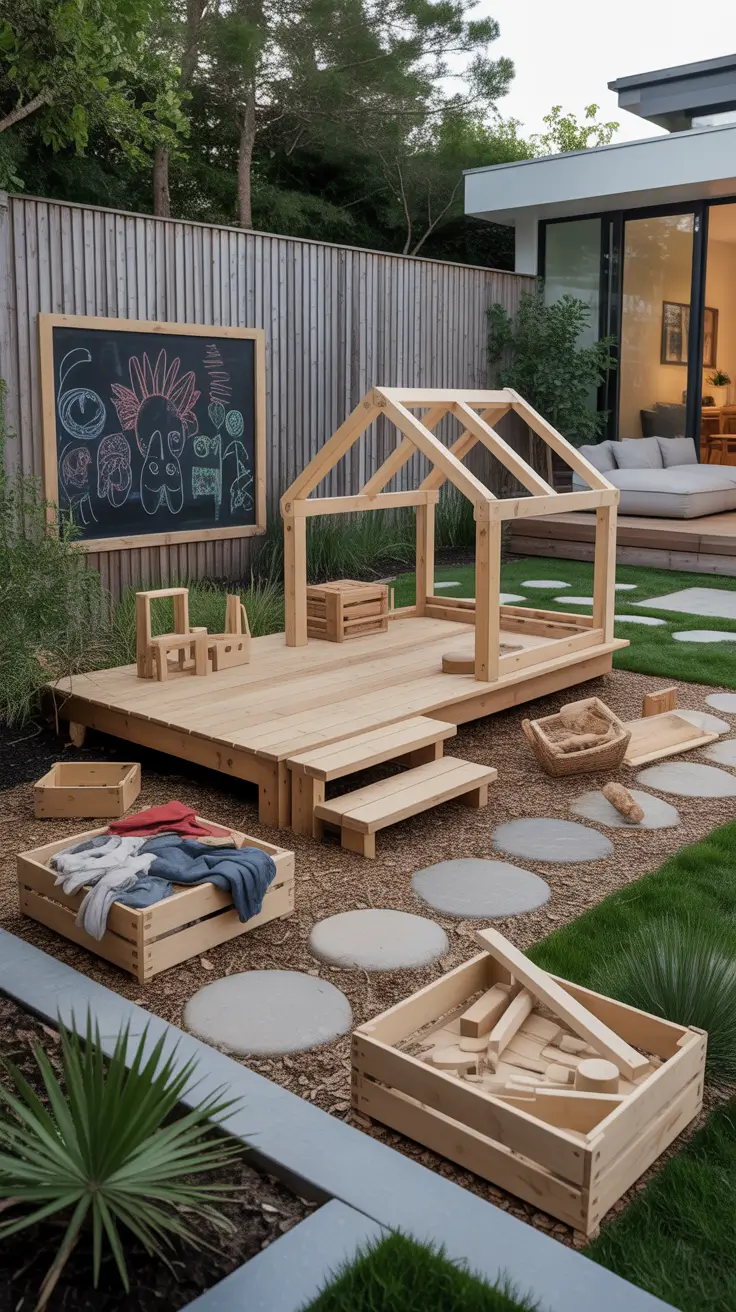
I often include a simple playhouse frame, a small stage platform, and a “loose parts” area with crates, planks, and outdoor safe fabric. I also recommend adding a chalkboard wall and a weatherproof play kitchen corner so kids can shift between activities easily. These elements work especially well when paired with natural landscaping like tall grasses or stepping stone paths.
From my professional experience, imagination based play keeps kids engaged longer than traditional equipment. It also reduces sibling conflict because the space encourages collaboration. I’ve seen that kids who share a pretend play zone often create games together instead of competing for one swing or slide.
What I would add here is a dedicated costume and prop storage solution, like a waterproof deck box filled with capes, toy tools, and simple accessories.
Weekend DIY Play Projects
Weekend DIY projects are a big part of strong ideas diy for 2026, especially for families who want upgrades without hiring contractors. When I plan DIY backyard play builds, I focus on simple structures that look polished and modern. The key is choosing projects that feel like permanent improvements rather than temporary toys.
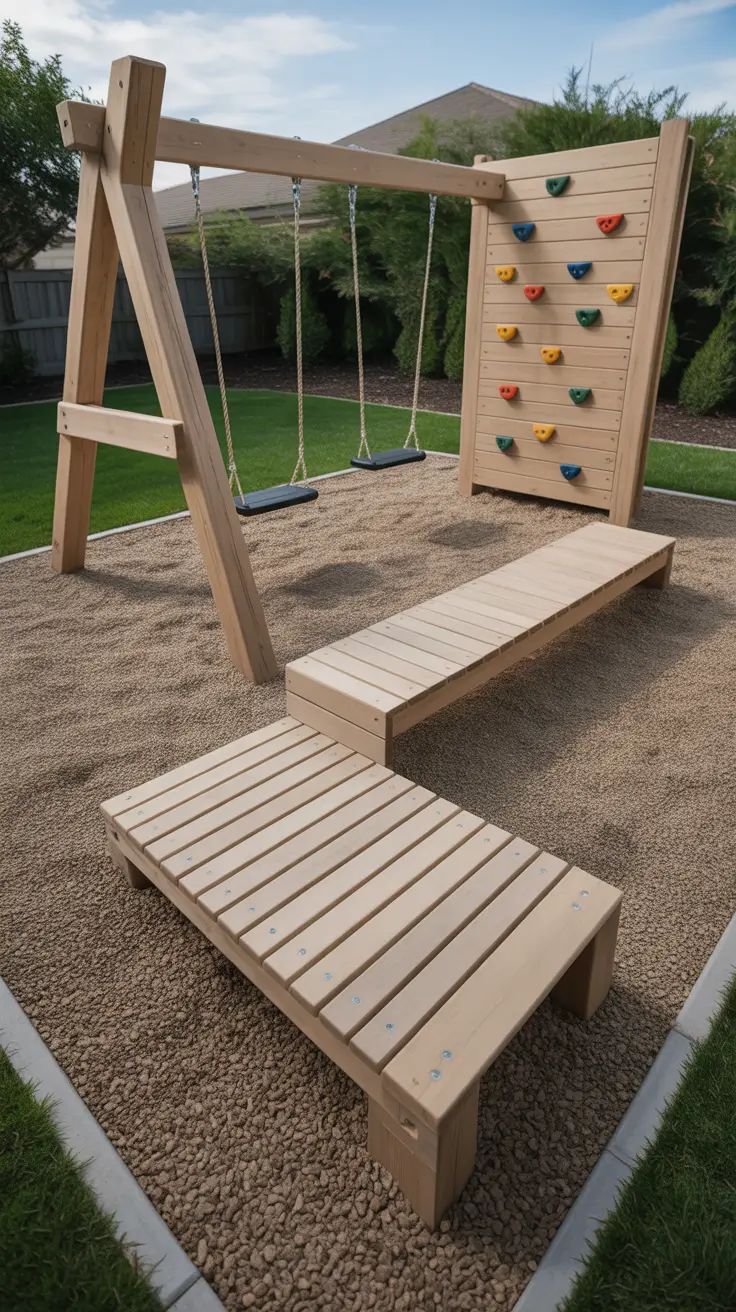
My favorite weekend builds include a mini deck platform, a basic swing frame, a mud kitchen, and a balance beam path. I also recommend a small climbing wall using plywood and bolt on holds, as long as it’s installed safely. Adding gravel, edging, and stain to wood elements makes even cheap materials look intentional and high end.
In my experience, parents feel more confident when the project has a clear plan and a limited tool list. Many DIY and home design publications emphasize that the best weekend projects are modular, meaning you can add pieces later. That approach fits perfectly with how families actually live and budget.
What I would still add is a simple layout sketch before building. Even a rough plan helps avoid mistakes like blocking walkways or placing structures too close together.
Outdoor Art Area Ideas For Kids
A dedicated art zone is one of the smartest outdoor upgrades for families, because it keeps mess out of the house while still supporting creativity. In 2026, strong art spaces are designed like mini studios with clean organization and durable surfaces. I always treat the art area as a real zone, not just a table dropped outside.
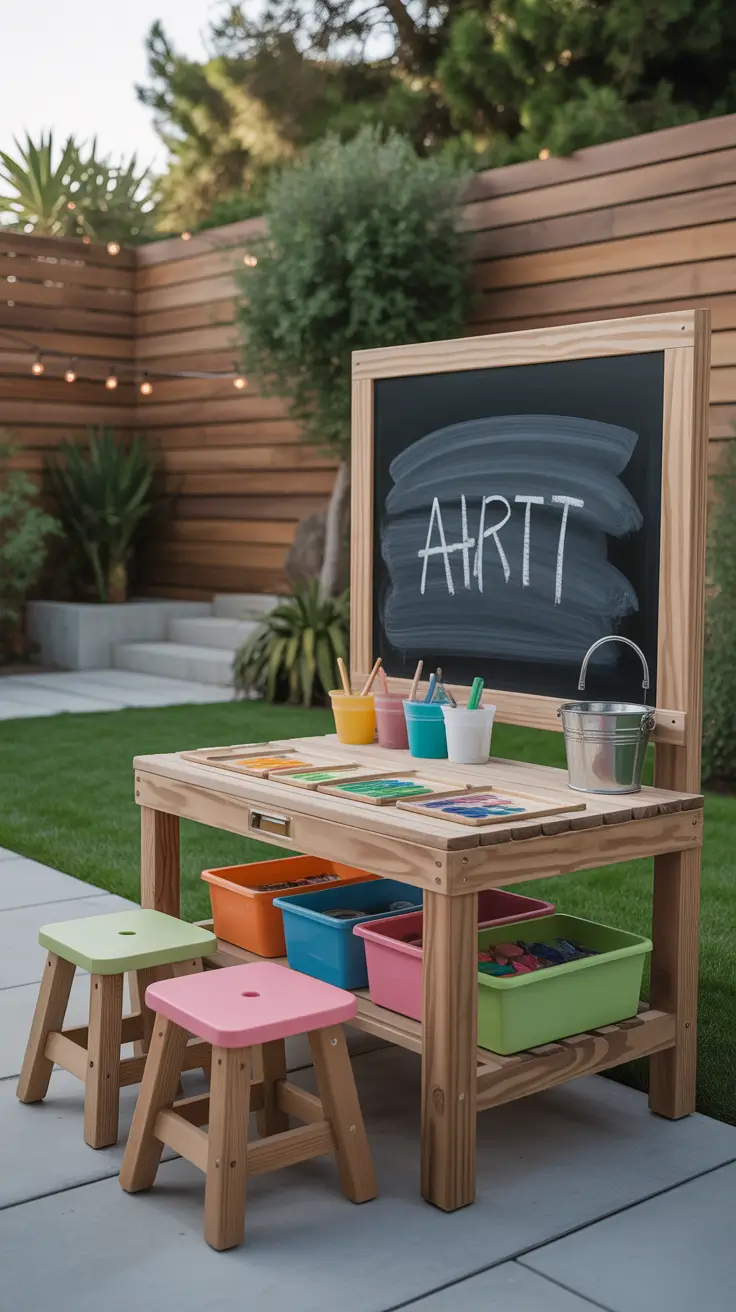
I usually include a weatherproof craft table, outdoor stools, a vertical chalkboard or whiteboard panel, and a wall grid for hanging supplies. A storage bench with labeled bins is essential for paints, brushes, sidewalk chalk, and clay tools. I also recommend a rinse station or outdoor sink setup so kids can clean hands and tools without running inside.
In my experience, kids use outdoor art spaces more often when the setup feels easy and “ready.” If supplies are accessible and surfaces are washable, parents are less likely to say no. Many professional designers also recommend creating a creative corner outdoors because it naturally encourages kids to stay outside longer.
What I would add here is a drying rack or clothesline for finished artwork, which makes the space feel like a true studio.
Modern Backyard Playground Ideas
Modern strong playground design backyard ideas modern focus on clean structure, balanced proportions, and materials that match the home. In 2026, the goal is to build a play area that looks like part of the landscaping, not a separate plastic zone. I design these spaces with visual calm so the yard feels elevated even with active play happening.
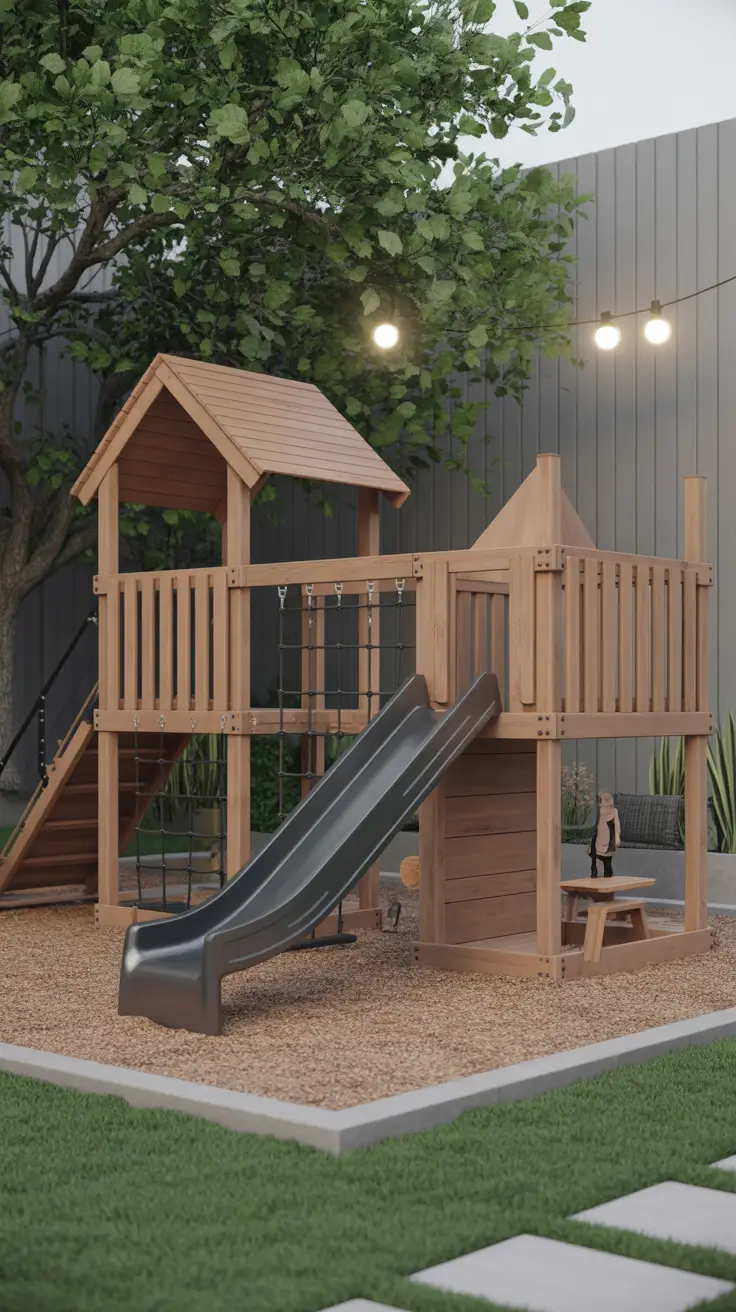
I use natural wood playsets, matte black hardware, and simple geometric layouts. I also add planters, low retaining walls, and subtle lighting to keep the space looking finished. Instead of bright primary colors, I recommend muted tones, warm wood, and neutral outdoor furniture so the play zone doesn’t dominate the backyard.
In my opinion, modern playground design is about restraint. When the space looks cohesive, adults enjoy being there more, and kids still get the fun they need. I’ve also noticed that modern designs age better, so families don’t feel pressured to replace everything when kids get older.
What I would add is one standout element, like a sculptural climbing net or modern slide, so the space has a “wow” moment without losing the minimalist look.
Mud Kitchen DIY Playground Ideas
Mud kitchens are one of the most popular upgrades in 2026 because they combine messy sensory play with pretend cooking and real world creativity. When I design strong ideas playground design mud kitchen, I focus on durability, drainage, and a layout that keeps the mess contained. A mud kitchen should look like a backyard feature, not a temporary craft project.
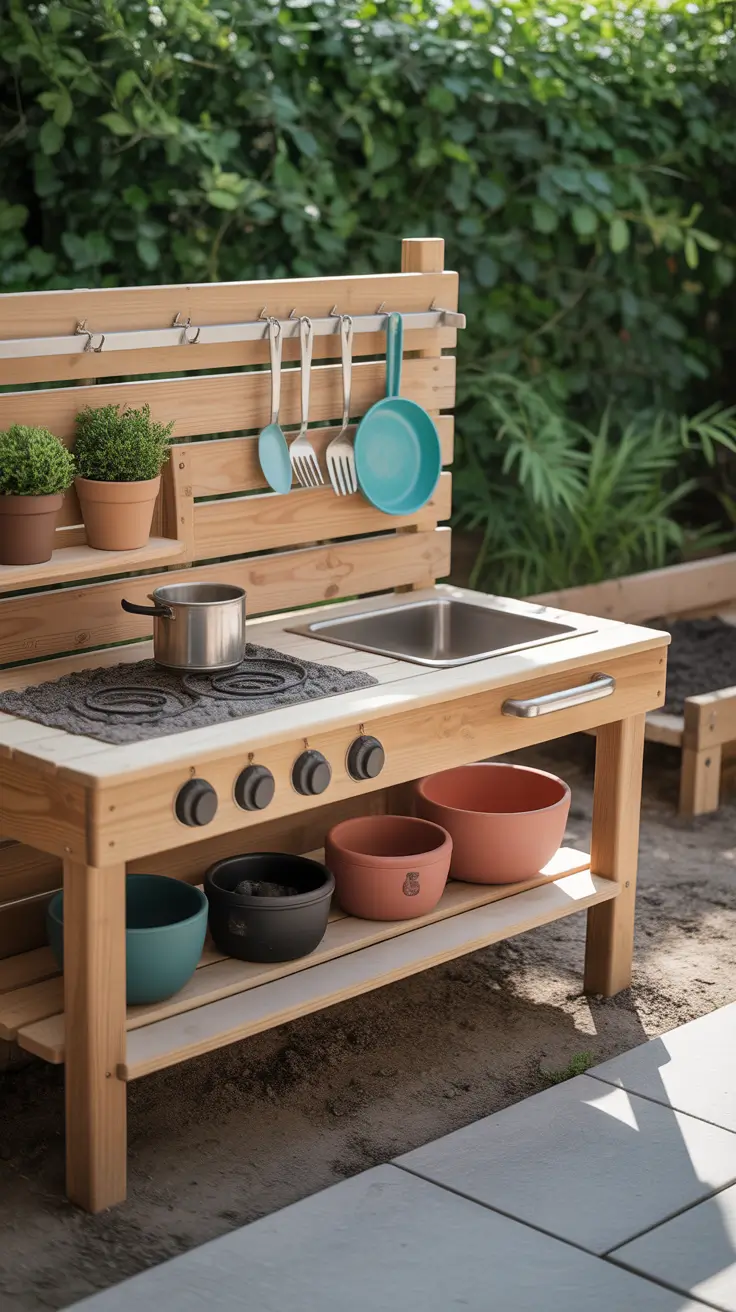
I include a weatherproof counter, hooks for utensils, a water dispenser or hose connection, and storage for bowls, pots, and scoops. A gravel base underneath is essential for drainage, and I usually add a small shelf for natural materials like stones, leaves, and pinecones. I also like to place the mud kitchen near a digging area so kids can easily move between the two.
From my experience, mud kitchens are one of the most consistently used outdoor play features. Kids love “cooking” and mixing, and this type of play supports focus and collaboration. Many parenting and design experts recommend mud kitchens because they encourage open ended play, which I’ve seen firsthand in family backyard projects.
What I would add is a small nearby cleaning station, such as a towel hook and rinse bucket, to make cleanup quicker and more realistic.
Water Play Ideas For Hot Days
In hot climates, strong water play becomes the center of the backyard during summer. In 2026, the most stylish water play zones look like modern outdoor spas, but scaled for kids. I design these spaces with safety, drainage, and surfaces that stay comfortable under bare feet.
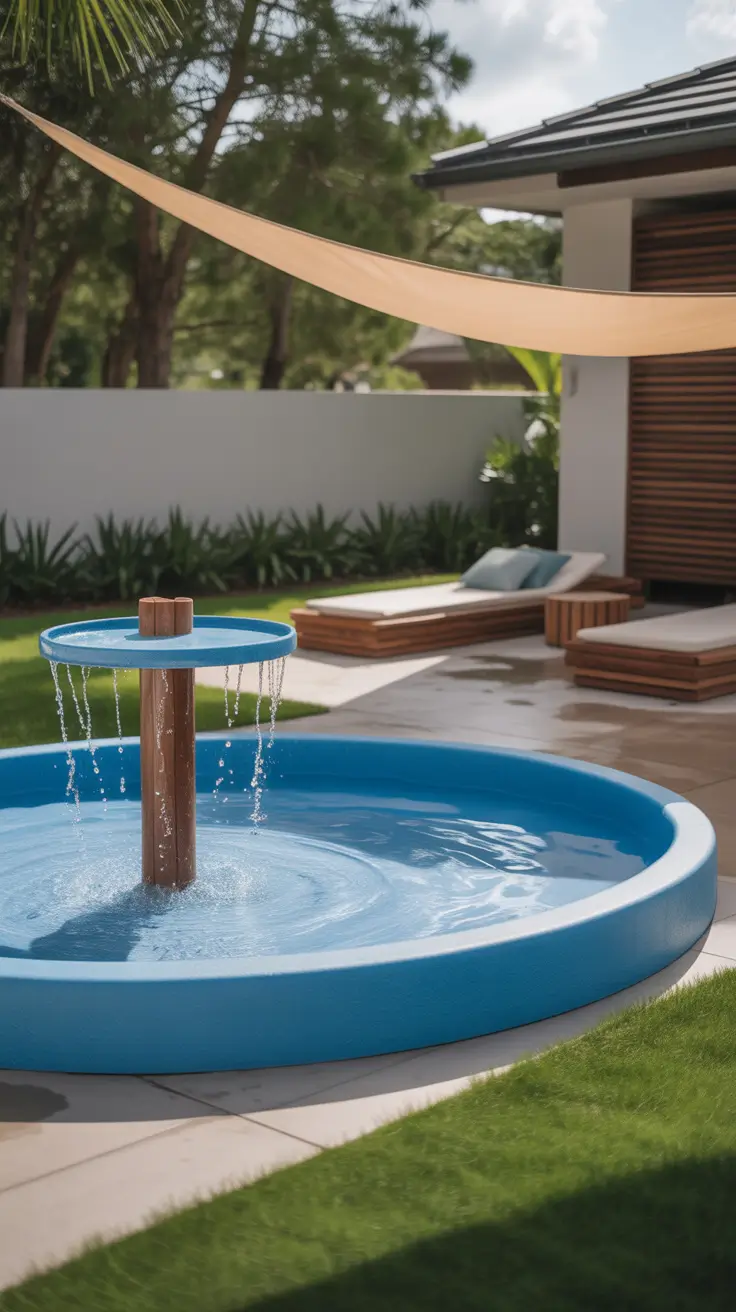
I typically include a splash pad or sprinkler mat, a raised water table, and a shaded area with outdoor loungers. Non slip flooring is critical, and I always plan a drainage slope so water doesn’t pool near the house. I also recommend adding waterproof storage for towels, water toys, and sunscreen so the area stays organized.
In my experience, water play zones keep kids busy for hours, especially when combined with simple tools like funnels, cups, and toy boats. The best part is that it’s active play that feels effortless, which is exactly what families want during intense strong summer heat.
What I would still add is a dedicated drying and changing corner with hooks, a bench, and a washable outdoor rug to keep the rest of the yard clean.
Truck Play Area Ideas For Kids
When I design a truck play zone, I treat it like a miniature construction site that fits naturally into the yard. In 2026, strong truck play areas are getting a modern upgrade with cleaner layouts, defined borders, and materials that look intentional rather than messy. The goal is to create a space where kids can push, park, dump, and build without scattering sand and gravel across the entire backyard.
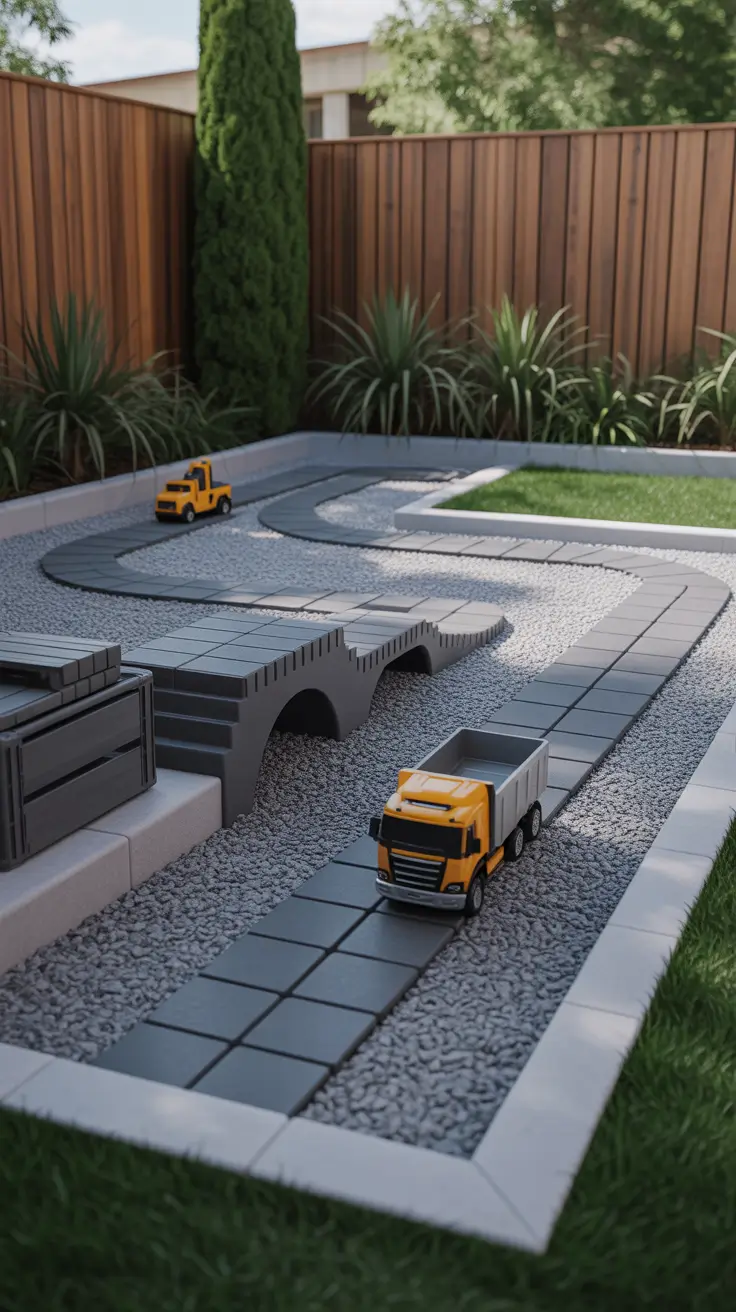
I usually build the base using compacted decomposed granite, pea gravel, or play sand depending on the age group. Then I add a few “roads” using pavers or rubber stepping tiles, plus a low ramp, a small bridge, and a designated dump zone. I also like including a storage crate for trucks and construction toys, because organization is what makes this type of play area feel premium.
From my experience, kids use truck zones constantly because the play is repetitive in a satisfying way. Dumping, loading, and driving never gets old, especially when the area feels realistic. I’ve seen this work beautifully when it’s placed near a digging zone, since kids naturally combine the two into a full worksite story.
What I would add is a simple wash station nearby, like a hose and brush hook, so trucks can be cleaned before they go back into storage.
Sensory Play Outdoor Area Ideas
A sensory outdoor zone is one of the most valuable additions to a backyard in 2026. I design sensory spaces to support touch, sound, water, texture, and movement while still looking modern and organized. These areas are especially useful for toddlers and younger children, but I’ve also seen older kids enjoy them when the design feels intentional.
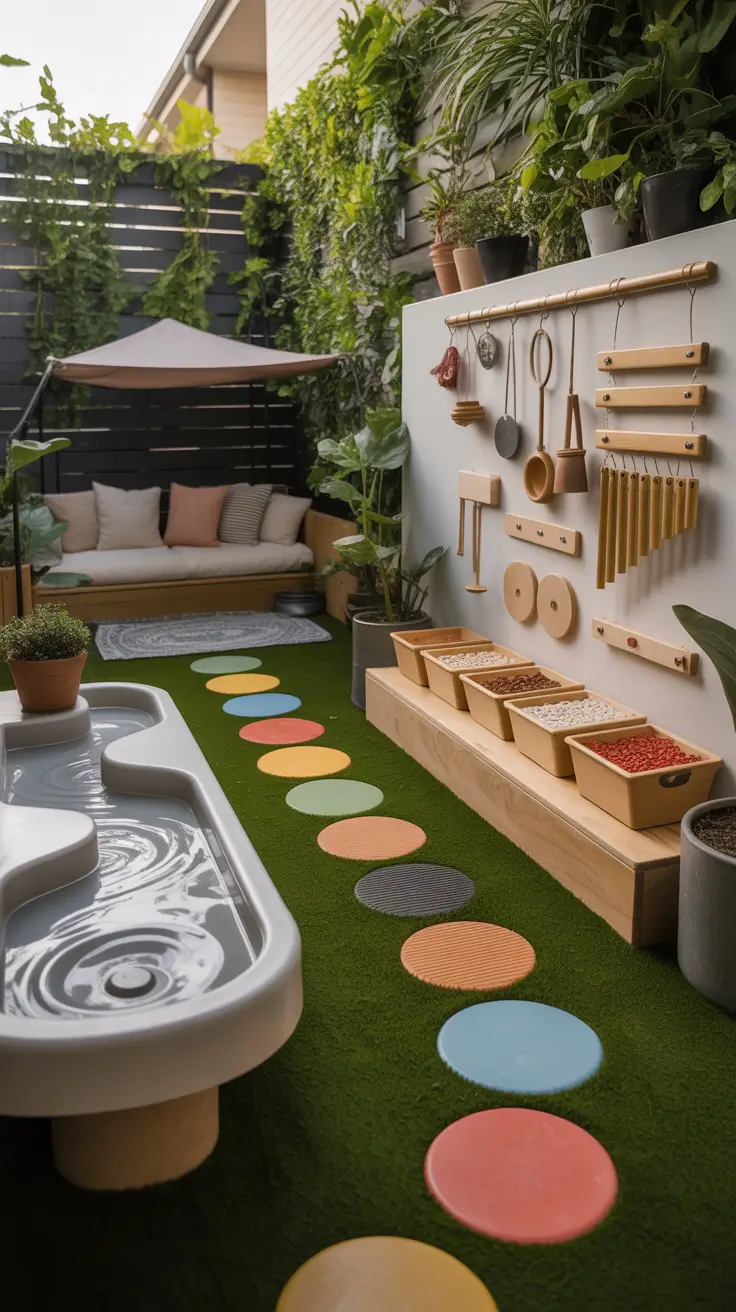
I typically include a water table, sensory bins with natural materials, textured stepping stones, and a small music wall with outdoor safe instruments. I also like adding a “quiet corner” with a soft outdoor rug and floor cushions. These elements create a calming play environment that still keeps kids engaged and learning naturally.
In my experience, sensory zones are some of the most consistently used spaces in a yard. They also reduce overstimulation because the play is slower and more focused. Many child development professionals recommend sensory play for emotional regulation, and I’ve seen how well it works when the area is designed to feel peaceful rather than chaotic.
What I would add is a simple rotating seasonal sensory bin, such as pinecones in fall or smooth stones in summer, to keep the space fresh without major changes.
Parent Seating Ideas Near Play Zone
A kids outdoor area works better when adults actually want to sit nearby. In 2026, I design parent seating to feel like part of a stylish outdoor lounge rather than an afterthought. The best layouts allow adults to supervise comfortably without hovering, which supports both safety and independence.
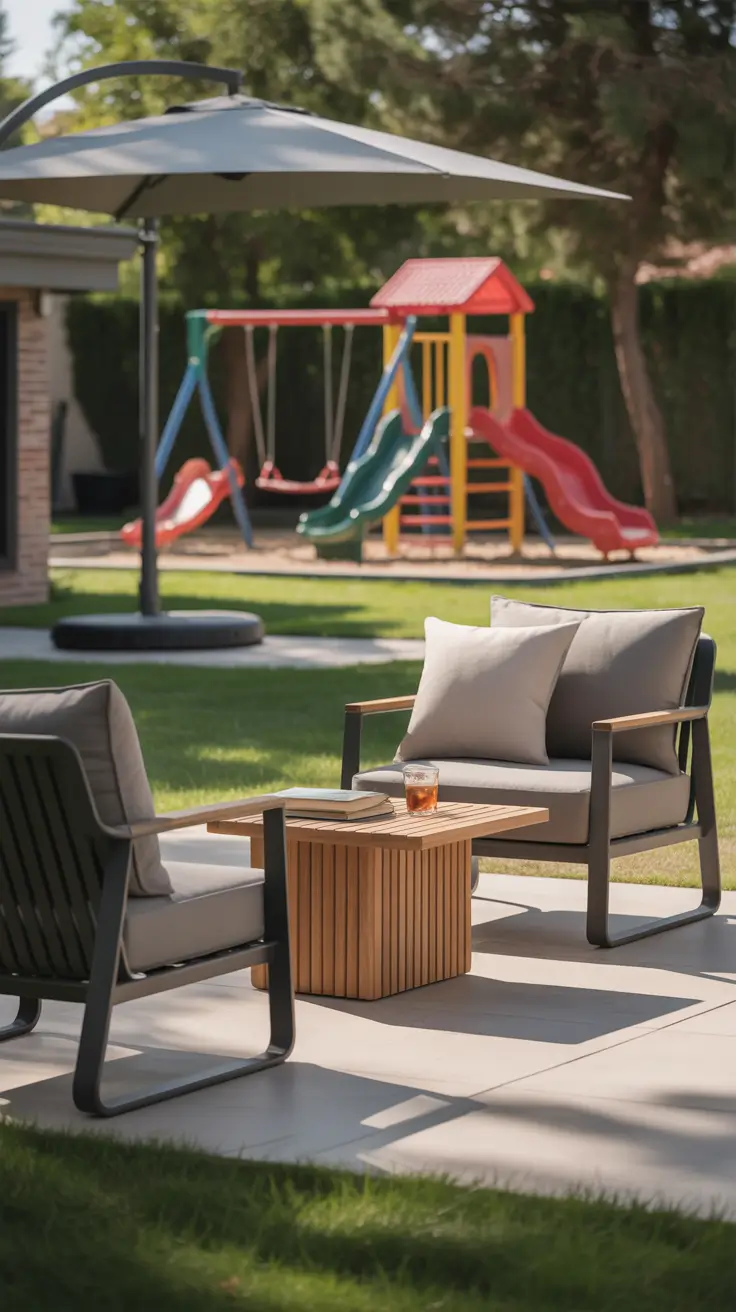
I include weather resistant lounge chairs, a small outdoor sofa, or a built in bench with cushions depending on space. I also recommend adding a side table for drinks, sunscreen, and phones, plus a soft outdoor rug for comfort. When possible, I position seating so adults can see multiple zones at once, like swings, water play, and a digging area.
In my experience, parents stay outside longer when seating is comfortable and shaded. This also encourages more family time outdoors, which is one of the main goals of a well designed yard. A good seating zone makes the entire play area feel more like an outdoor living space.
What I would add is a small charging solution for outdoor use, such as a weatherproof outlet cover or solar powered charging station for lights and devices.
Toy Storage Ideas For Outdoor Areas
Storage is what separates a beautiful backyard from a constantly cluttered one. In 2026, outdoor toy storage is designed to look like modern patio furniture, not plastic bins. I plan storage as part of the overall layout so toys have a home and cleanup feels simple.
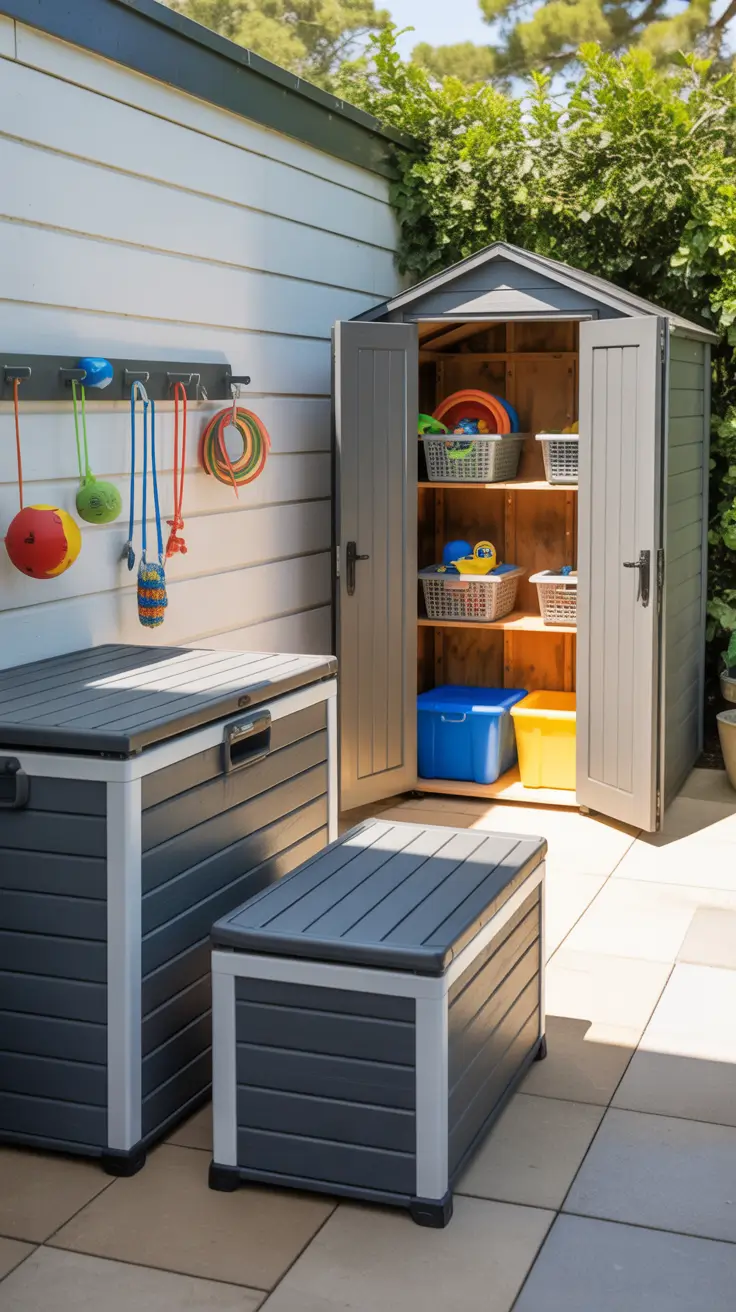
I typically use waterproof deck boxes, storage benches, vertical wall hooks, and rolling carts for art supplies. For larger items like ride on toys, I recommend a slim outdoor shed or a covered storage corner. Keeping storage close to each activity zone is key, because kids are more likely to put things away when it’s easy.
From my experience, the best storage systems are simple and visible. Overcomplicated organization fails quickly. I also recommend labeling bins with words or icons so even younger kids can participate in cleanup.
What I would add is a “daily reset” basket near the door, where families can quickly toss items that need to go inside or be cleaned later.
Kids Outdoor Area Safety Tips 2026
Safety is not just about rules, it’s about design choices that prevent problems before they happen. When I plan a backyard play area in 2026, I focus on surfacing, spacing, sight lines, and materials that age well. A safe play space also lasts longer because it doesn’t require constant repairs or upgrades.
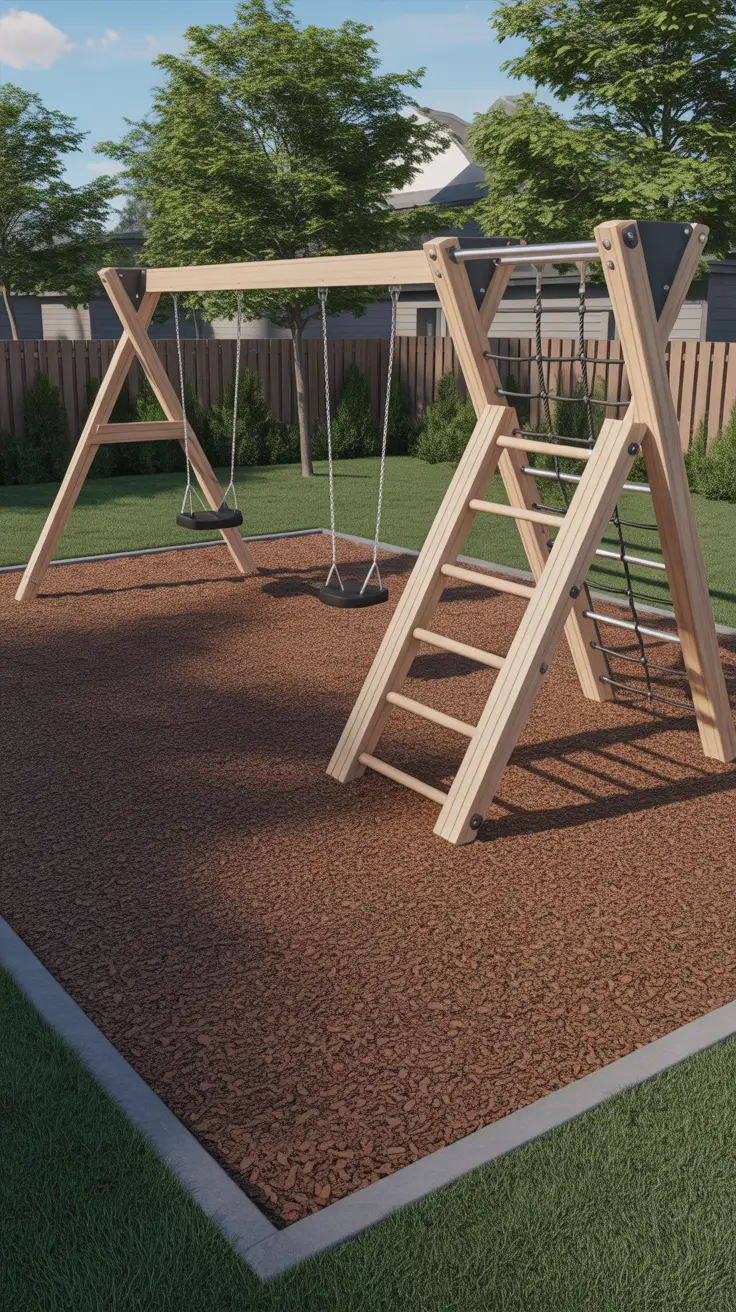
I always recommend impact absorbing surfaces under climbing equipment, like rubber mulch, engineered wood fiber, or turf with padding. I also make sure there is enough clearance between swings, slides, and obstacle elements. Hardware should be rust resistant, edges should be rounded, and all wood should be sealed properly to prevent splinters and rot.
In my experience, families feel more confident letting kids play independently when the space is designed safely. Many professional playground standards emphasize fall zones and material durability, and even though this is a backyard project, I always apply those principles. A safe yard is a yard that gets used.
What I would add is a yearly inspection checklist for parents, including bolts, surfaces, shade structures, and drainage, so the play area stays safe over time.
The best outdoor play spaces in 2026 are the ones that balance creativity, safety, and modern design. With the right mix of DIY projects, smart storage, water play, truck zones, and flexible playground layouts, any backyard or patio can become a place kids love every day. If you’ve tried any of these outdoor area ideas for kids, I’d love to hear what worked best for your family — leave a comment and share your favorite setup.